Where and How Does Each Test Take the Samples for HIV Testing?
Understanding where and how each test takes the samples is crucial for anyone seeking to get tested for HIV. Various testing methods utilize different sample types, influencing the accuracy and speed of results. This article explores the sample collection processes for the most common HIV tests while highlighting the distinctions between HIV antigen vs antibody testing.
Sample Sources: Blood, Oral Fluid, and Urine
HIV tests can be conducted using blood, oral fluid, or, occasionally, urine samples. All three tests can be performed with blood drawn from a vein. Antibody tests specifically target antibodies produced in response to HIV, while antigen tests look for HIV antigens in either blood or oral fluid. Understanding these sample sources is essential for individuals, especially when considering the differences in detection capabilities between HIV antigen vs antibody tests.
Nucleic Acid Testing (NAT)
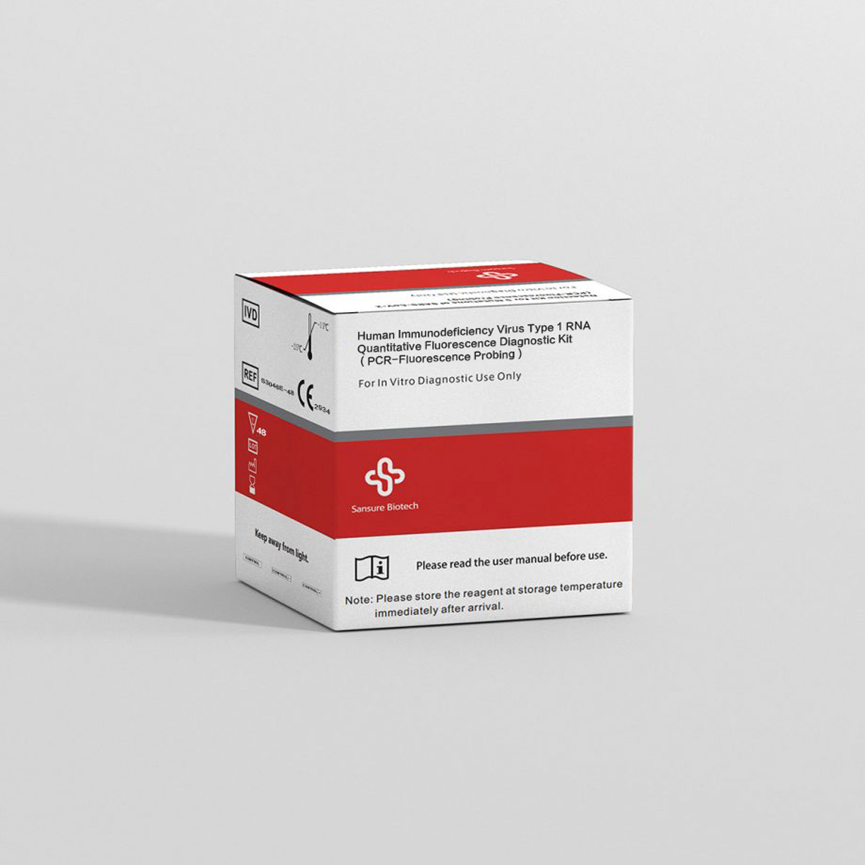
NAT is a more advanced testing method that detects the actual virus in the blood. This test not only confirms the presence of HIV but also quantifies the viral load, providing critical information about how much virus is circulating in the body. NAT is particularly beneficial for individuals who have been recently exposed to HIV and are exhibiting early symptoms, or those who have received negative results from antibody or antigen/antibody tests. This accuracy makes NAT a valuable option in the context of HIV antigen vs antibody testing.
Choosing the Right Test
When deciding which HIV test to undergo, it’s important to consider the sample type and the specific needs of the individual. While antibody tests are convenient and fast, antigen tests provide earlier detection. Meanwhile, NAT offers the most comprehensive view of the viral status. Understanding where and how each test takes the samples can empower individuals to make informed choices about their health.
Conclusion
In conclusion, knowing where and how each test takes the samples for HIV testing is essential for effective diagnosis and management. By understanding the differences between antibody, antigen, and NAT testing, individuals can better navigate their options and seek timely medical advice, especially when weighing the distinctions in HIV antigen vs antibody testing. Leveraging innovative diagnostic solutions from Sansure can enhance the accuracy and efficiency of HIV testing, empowering healthcare providers to deliver prompt and reliable results to patients. Stay informed, prioritize regular screenings, and collaborate with trusted brands like Sansure to ensure optimal care and management of HIV infections.