Essential Installation Tips for Durable Schedule 40 PVC Pipe Fittings by LESSO America
When working with Schedule 40 PVC pipe fittings, getting the installation right is key to ensuring a long-lasting and reliable piping system. LESSO America offers a wide range of Schedule 40 PVC fittings designed to meet various plumbing and irrigation needs. Understanding the best practices for installation can help maximize the performance and durability of these fittings.
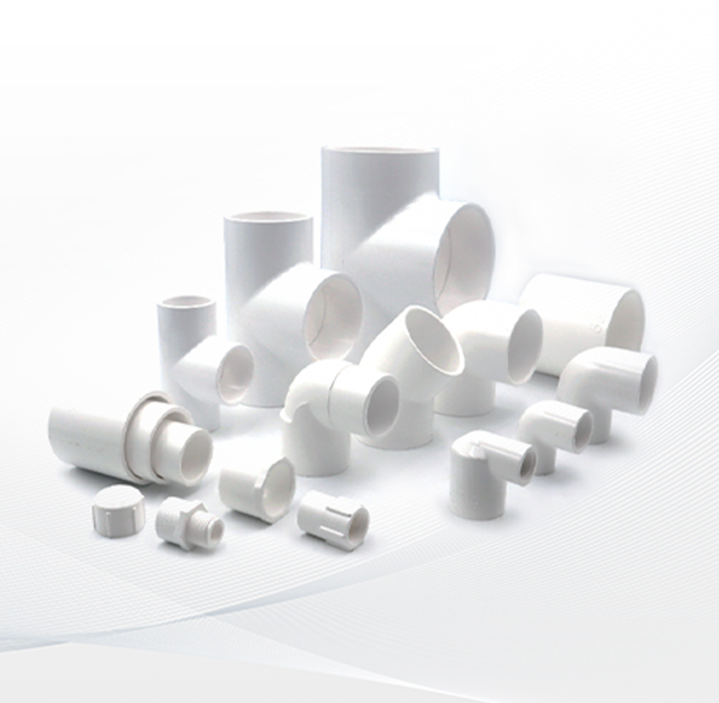
Choosing the Right Schedule 40 PVC Pipe Fittings
LESSO America provides Schedule 40 PVC pipe fittings that are durable and compatible with standard PVC pipes. It is important to select fittings that match the pipe diameter and application requirements to avoid leaks and system failures. Using the correct fittings reduces the need for repairs and maintenance over time.
Preparation Before Installation
Proper surface preparation is critical. They recommend cleaning both the pipe ends and the inside of the fittings thoroughly to remove dirt, grease, or moisture. This step ensures a strong bond when applying primer and solvent cement. They also suggest cutting pipes squarely with a proper pipe cutter to achieve a snug fit with the fittings.
Applying Primer and Cement Correctly
LESSO America advises applying primer to the pipe and fitting surfaces before applying solvent cement. The primer softens the PVC material, allowing the cement to create a secure and watertight joint. The cement should be applied evenly and quickly, with the pipe inserted fully into the fitting while rotating slightly to spread the cement evenly.
Allowing Proper Curing Time
After assembly, it’s important to allow adequate curing time for the cement to set. LESSO America notes that curing times can vary based on temperature and humidity but generally recommend waiting at least 15 minutes before handling and 2 hours before pressurizing the system.
Conclusion
Following these installation tips ensures that Schedule 40 PVC pipe fittings from LESSO America perform reliably over time. Proper preparation, correct use of primer and cement, and allowing sufficient curing time all contribute to durable, leak-free connections that support efficient plumbing systems.